
Why is the AgWorks Corridor a competitive location for agricultural equipment manufacturers?
What makes the AgWorks Corridor an ideal place for agricultural equipment manufacturing?
How does the region's manufacturing ecosystem strengthen agricultural equipment companies?
Why do agricultural equipment manufacturers benefit from an established supplier network?
How does the AgWorks Corridor develop talent for agricultural equipment manufacturing?
How do universities and technical colleges support agricultural equipment innovation?
Where can agricultural equipment companies test and validate new technologies?
How does the AgWorks Corridor support product development and commercialization?
Why is collaboration important in agricultural equipment manufacturing?
How does the AgWorks Corridor help agricultural equipment companies grow and compete globally?
Agricultural Equipment
Including the manufacturing of machinery and tools used to produce, harvest, and manage agricultural operations.
Ecosystem Overview
Agricultural equipment manufacturing is a cornerstone industry of the AgWorks Corridor, anchored by globally recognized companies such as CLAAS, Lindsay Corporation, and Valmont. The region combines advanced manufacturing capabilities with deep agricultural expertise to support the design, production, testing, and scaling of equipment used on farms around the world. A robust network of metal fabricators, component suppliers, coating providers, and specialized manufacturers strengthens supply chain resilience, with 37% of industry supply chain purchases satisfied within the region. This manufacturing ecosystem continues to expand, with employer establishments increasing over 16% since 2019, reinforcing a growing supplier network and production base. Together, these assets create an environment where agricultural equipment manufacturers can accelerate product development, strengthen supply chains, scale production, and compete in global markets.
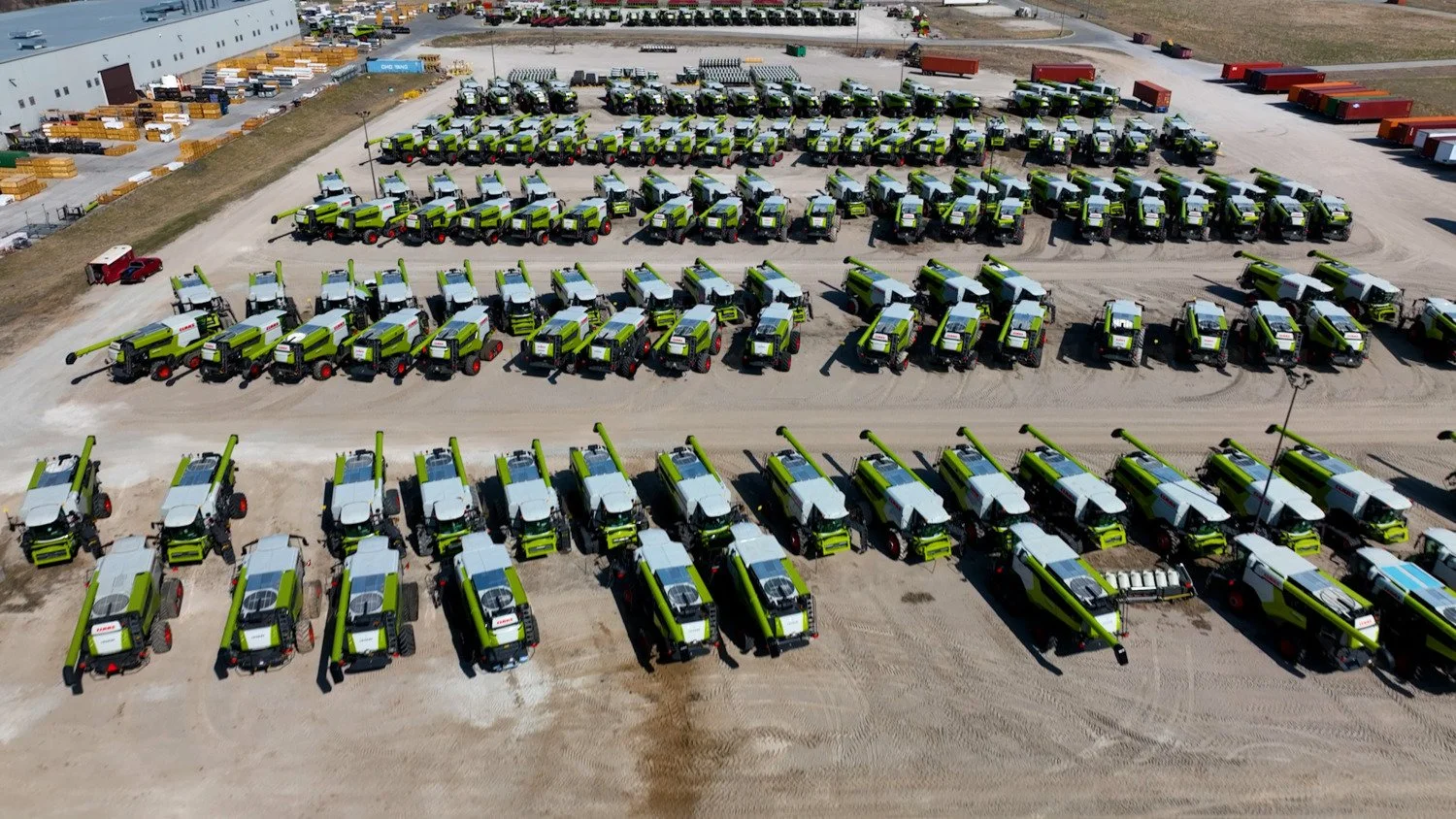
Photo Credits: CLAAS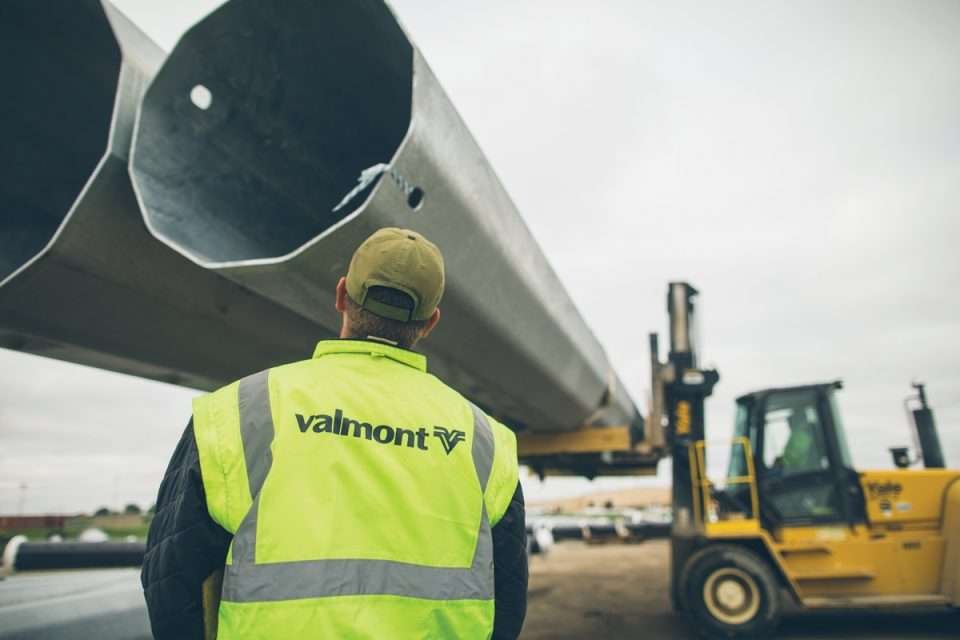
Workforce
Agricultural equipment companies benefit from a workforce experienced in precision machining, fabrication, assembly, automation, and systems integration—supported by generations of manufacturing expertise and a strong pipeline of technical talent. This workforce depth helps companies support complex equipment production, scale operations efficiently, and reduce hiring friction across manufacturing environments.
Photo Credits: Omaha Magazine
7,400+ specialized workers in equipment manufacturing, spanning machining, fabrication, welding, assembly, and electronics integration.
48,000+ workers across relevant production occupations, creating workforce depth.
1.65× the U.S. average employment concentration, demonstrating a workforce ecosystem built around production expertise, supplier density, and long-term industry specialization.
11% workforce growth since 2019 reflecting sustained expansion and continued investment across the region’s manufacturing base.
102 employers, creating one of the corridor’s deepest manufacturing ecosystems and supporting broad supplier networks, workforce mobility, and talent availability.

Key Employers
Over 100 companies in ag equipment manufacturing.



Healthy Start-up Ecosystem
A growing network of agricultural technology startups and emerging equipment companies strengthens the region’s innovation pipeline and creates opportunities for partnerships, testing, and technology commercialization.
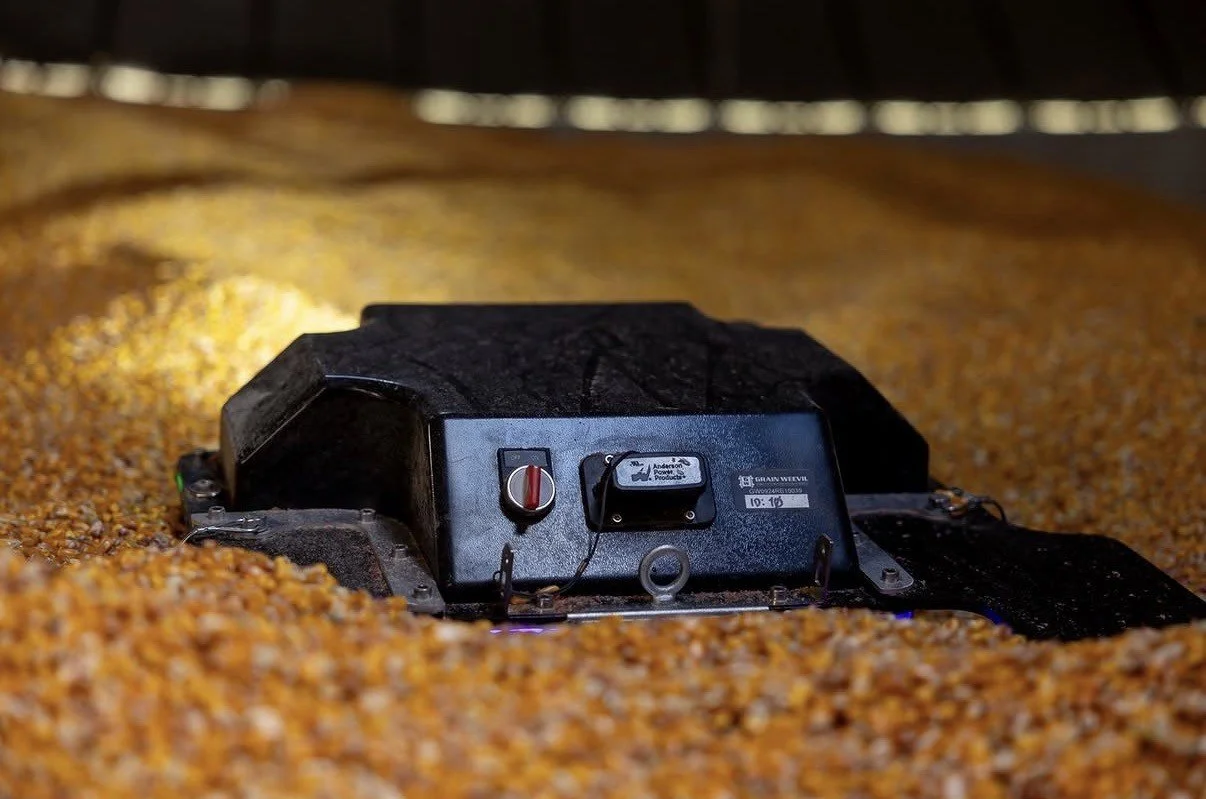
Photo Credits: grainweevil_robotics Instagram
Talent Development
A connected talent ecosystem is helping grow the region’s agricultural equipment workforce, with education and training programs aligned to the needs of equipment manufacturers, suppliers, and advanced production environments. From K–12 career pathways to specialized engineering education and technical training, the region is developing talent equipped to support machining, fabrication, automation, assembly, and complex manufacturing operations.
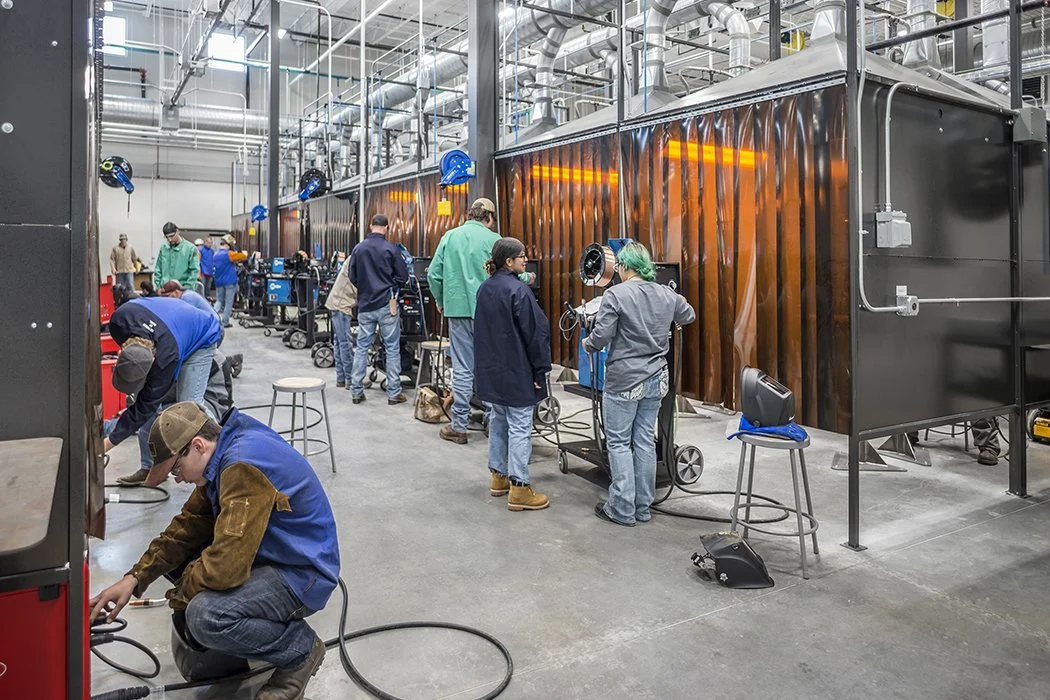
Photo Credits: Davis Design
Early Talent Pipelines

Career academies aligned with agricultural equipment industry needs

K-12 pathways aligned with advanced manufacturing, engineering, automation and skilled trades

Dual-credit programs earn high school and college credit

Developing technical and workplace skills before entering the workforce
Research Universities Driving Innovation
University of Nebraska - Lincoln | University of Nebraska - Omaha | Midland University
Key Programs
Agricultural Engineering
Agricultural Systems Technology
Mechanical Engineering
Electrical Engineering
Industrial and Management Systems Engineering
Biological Systems Engineering research and testing programs
Supply Chain and Operations Management



Workforce-ready Technical Talent
Metropolitan Community College | Southeast Community College | Iowa Western Community College
Key Programs
Welding Technology
Welding certificates
Precision Machining
Mechatronics
Robotics
Mechanical Drafting and Design
Industrial Maintenance and Technical Skills Training



Connected Industry Network
An integrated ecosystem of research, testing, engineering, and commercialization resources helping agricultural equipment companies accelerate product development, validate technologies, and move innovations from concept to commercial production faster.
Testing, Validation & Applied Research
Nebraska Tractor Test Laboratory (NTTL) | University of Nebraska-Lincoln
The United States’ official tractor testing facility, conducting evaluations under globally recognized OECD standards. As part of an international network spanning 30 countries, NTTL provides manufacturers with credible, standardized performance testing and certification recognized across global markets.
Eastern Nebraska Research, Extension and Education Center (ENREEC) | University of Nebraska-Lincoln
A 3,000-acre integrated research campus featuring crop, dairy, beef, and swine operations that support applied research, pilot programs, and equipment testing at production scale. ENREEC gives companies access to real-world agricultural environments for validation, field testing, and producer engagement.
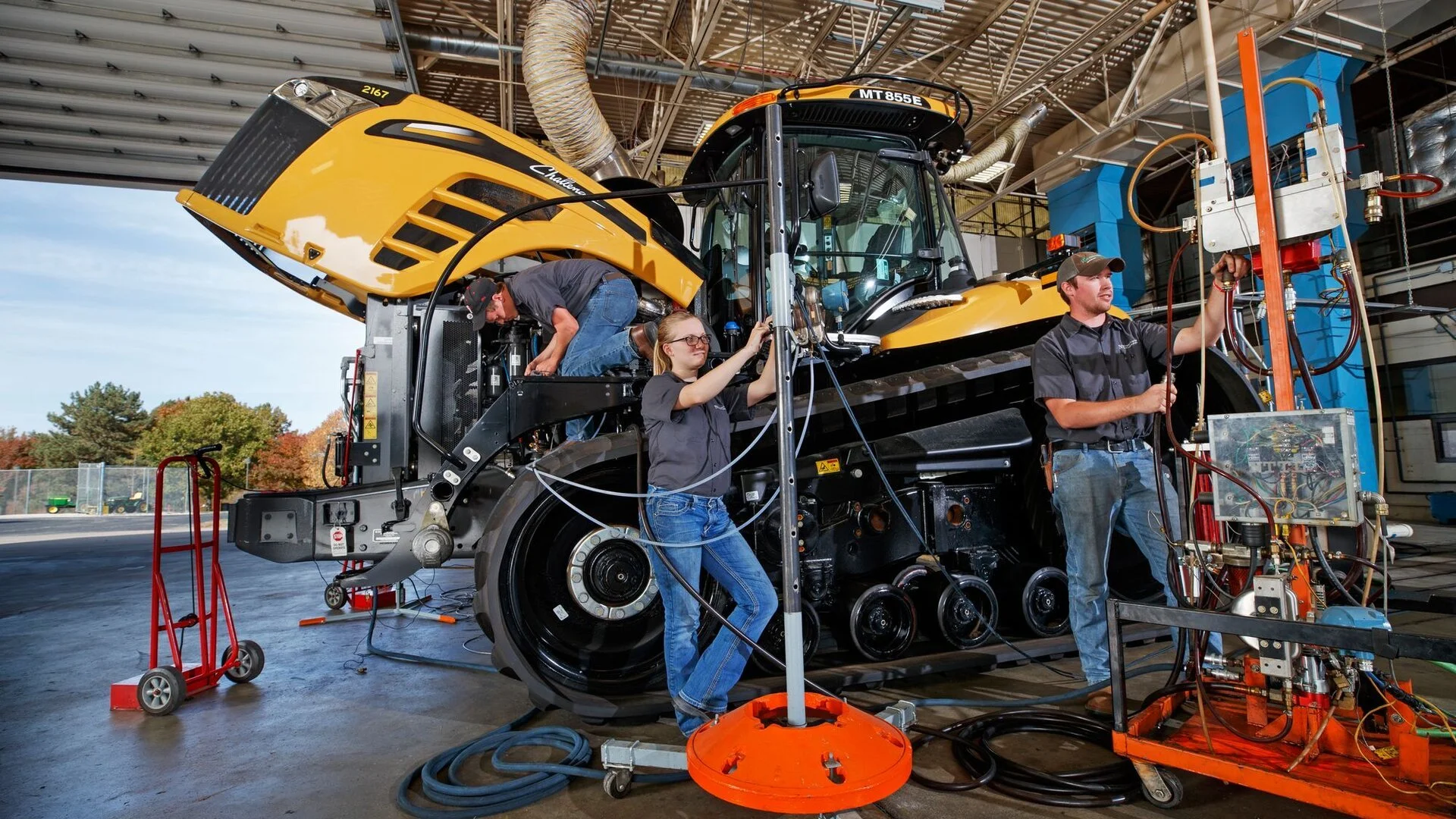
Photo Credits: Nebraska Tractor Test Laboratory
Product Development, Engineering, & Commercialization
Biological Systems Engineering | University of Nebraska-Lincoln
BSE-PI provides agricultural equipment manufacturers with access to engineering talent, applied research, and product development resources that support technology advancement and commercialization. By facilitating collaborative design, prototyping, testing, and validation, the lab helps companies reduce development timelines, improve product performance, and bring new equipment innovations to market faster.
The Combine | Invest Nebraska
Supports AgTech and agricultural equipment startups through mentorship, customer discovery, commercialization programming, and industry connections that help companies validate products, refine business models, and accelerate growth.
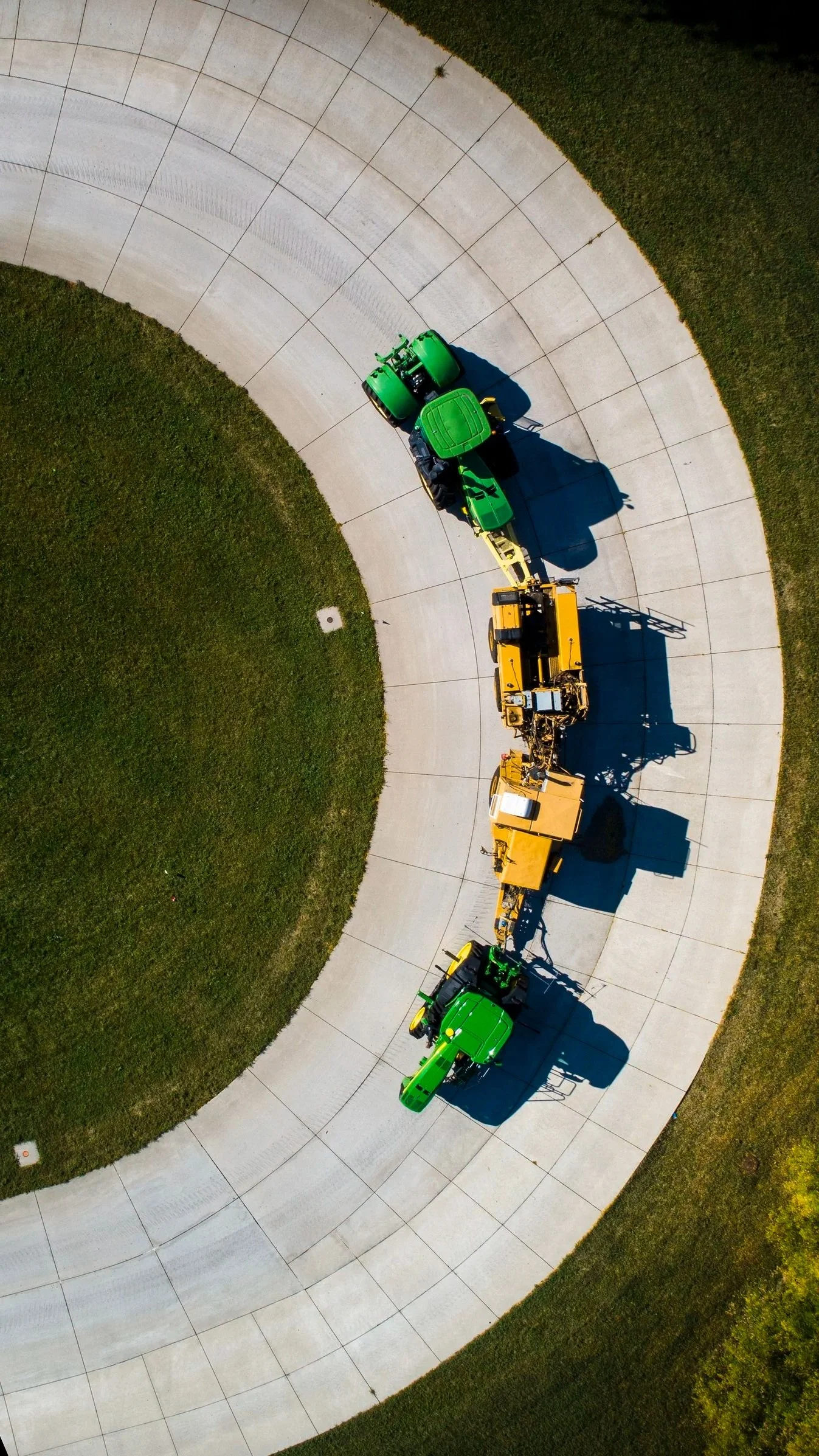
Photo Credits: Nebraska Tractor Test Lab
Industry Leadership & Ecosystem Development
Lincoln Manufacturing Council | Lincoln Partnership for Economic Development
Supports manufacturing growth by connecting companies with workforce resources, industry partnerships, and peer networks that strengthen the regional manufacturing ecosystem. These connections help agricultural equipment companies develop workforce pipelines, strengthen supply chains relationships, and support long-term growth.
Grit Road | Omaha, Nebraska
Accelerates agricultural innovation by connecting emerging technologies with producers, industry partners, and market opportunities. Through investment, partnerships, and direct producer access, Grit Road helps companies test solutions faster and strengthen commercialization pathways.
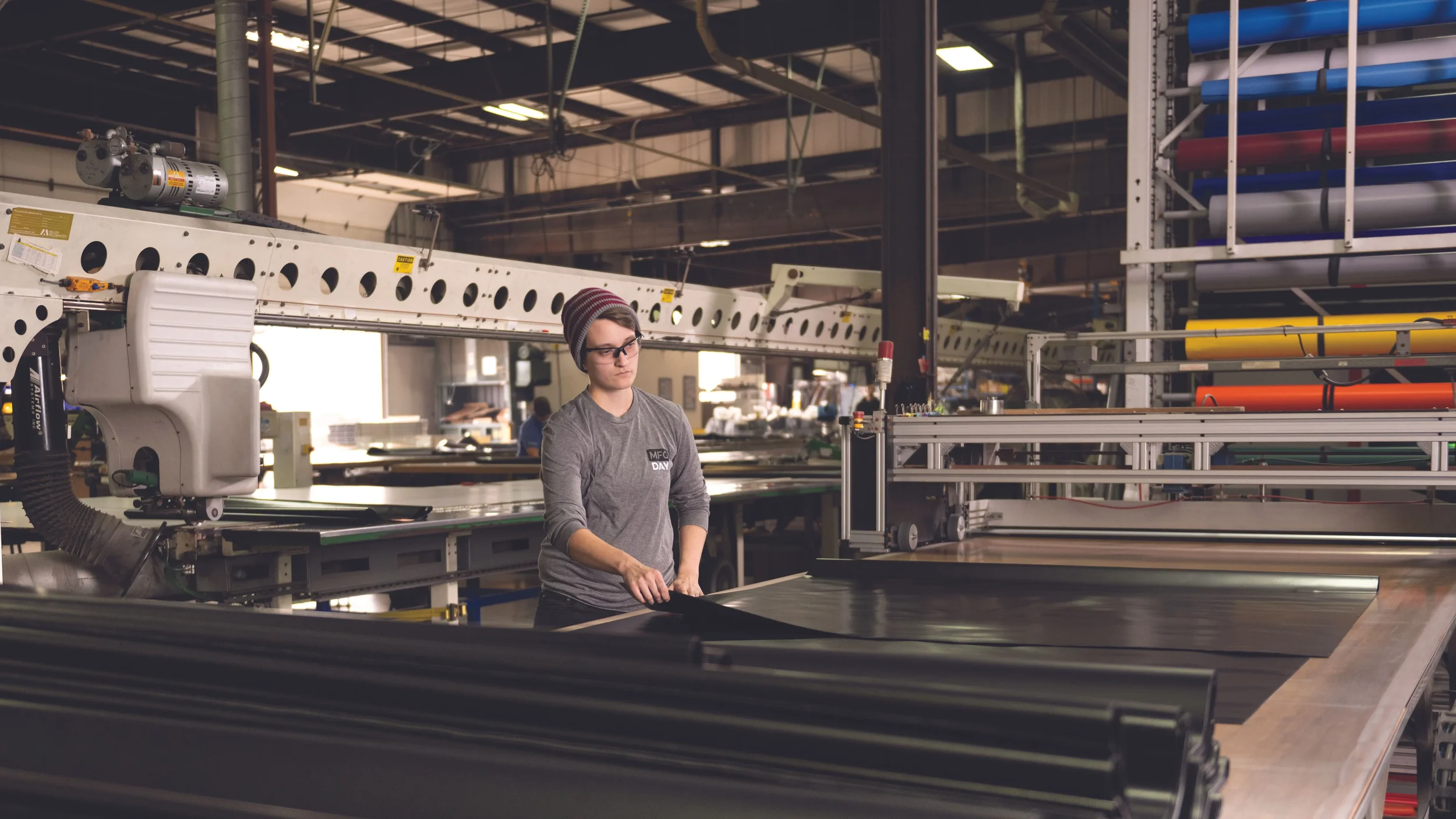
Photo Credits: Lincoln Manufacturing Council