
Why is the AgWorks Corridor a leading hub for animal health innovation?
How does Nebraska's livestock industry support animal health innovation?
Why do animal health companies benefit from locating near producers?
What research institutions support animal health innovation?
How do universities and workforce programs prepare talent for the animal health industry?
How does the AgWorks Corridor support animal health startups and commercialization?
Animal Health
Solutions that enhance animal wellbeing, performance, and production efficiency from research to commercialization.
What types of animal health companies operate in the AgWorks Corridor?
Why is collaboration important in the animal health industry?
How does the AgWorks Corridor help animal health companies grow and scale?
Ecosystem Overview
A fully integrated region where livestock production, education, and research intersect with a strong network of established firms, startups, and industry support-creating a complete ecosystem that drives innovation, scale ideas, and delivers real-world impact.
Workforce
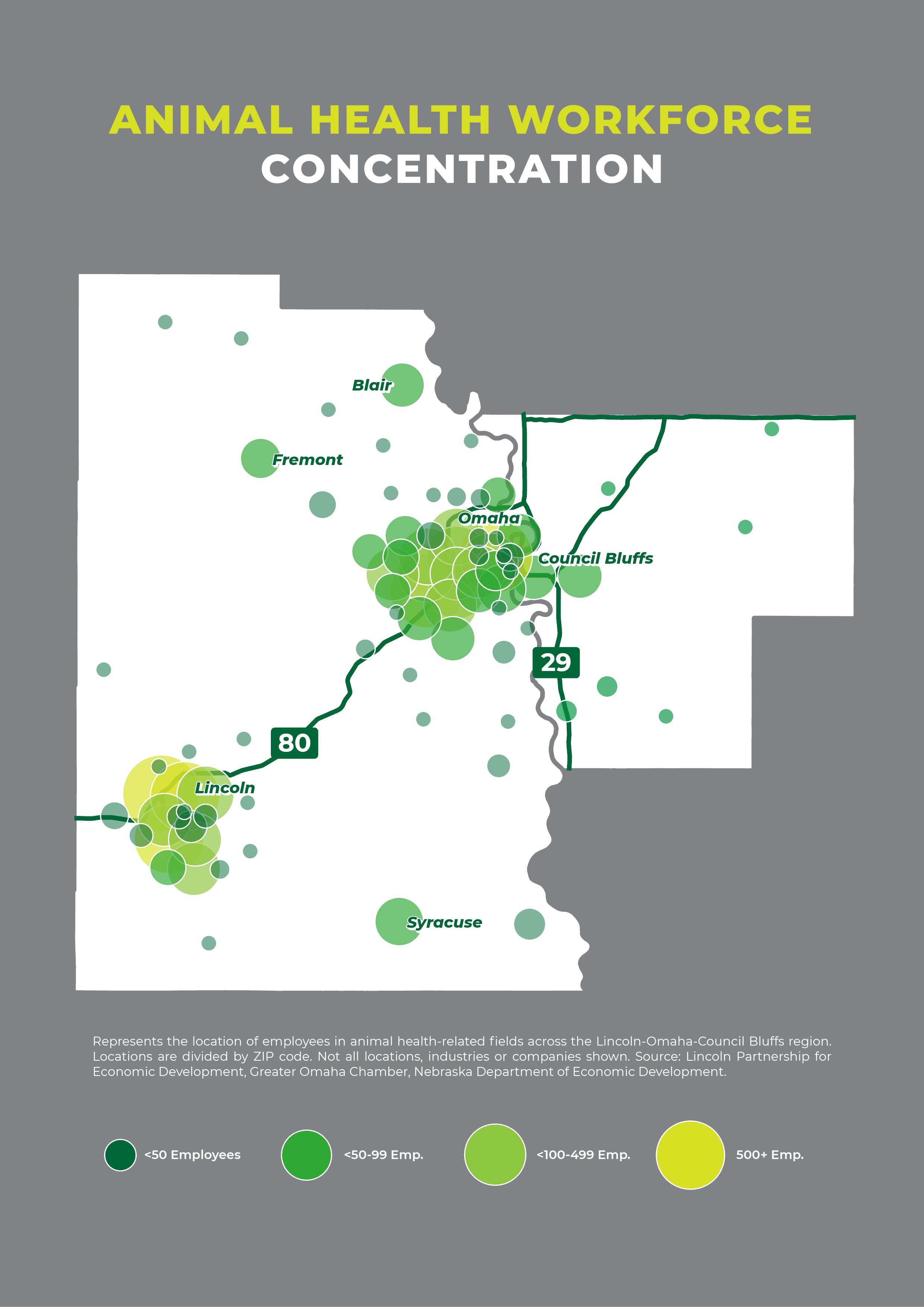
Animal Health is one of the AgWorks Corridor’s fastest-growing industries, with employment increasing 36% since 2019 as global demand rises for veterinary pharmaceuticals, diagnostics, nutrition, and biosecurity solutions.
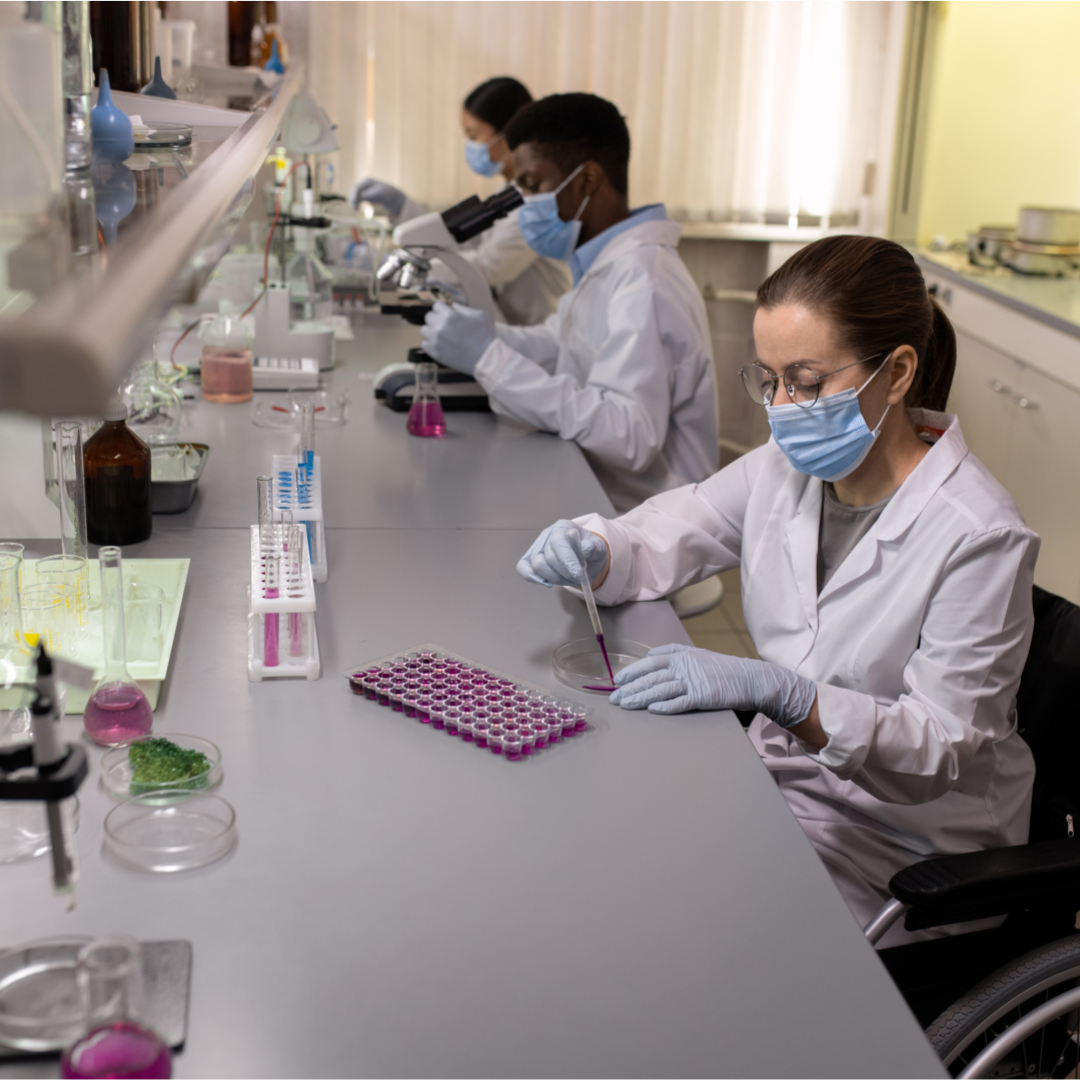
Positioned at the intersection of large-scale livestock production and advanced bioscience research, the region offers companies access to an employee base with both scientific expertise and real-world production experience. The result is an ecosystem that supports research, commercialization, and scaled production across the animal health industry.
3,700+ specialized workers across pharmaceutical manufacturing, veterinary science, animal nutrition, and diagnostics.
1.84× the U.S. average in animal health employment concentration, demonstrating a deep and established industry talent base.
36% workforce growth since 2019, tied for the fastest-growing sector in the corridor.
Nearly 41K workers across all animal health occupations, including scientists, engineers, production workers, quality specialists, logistics professionals, veterinarians, and technicians.
51 employers, supporting the full animal health value chain, from research and development to commercial-scale production.
Key Employers





“Phibro Animal Health is honored to be a supporter of the AgWorks Corridor. With two manufacturing facilities established in the region and our national logistics hub now centralized within the Corridor, we've found it to be an exceptional environment for attracting dedicated team members who embody a strong work ethic and unwavering integrity. As the AgWorks Corridor sits in the very heart of American agriculture, it also serves as a home to some of the country's most prominent livestock producers. This vibrant setting continues to foster innovation and excellence, making it an ideal location for our operations and for connecting with talented professionals in the industry.”
Larry Miller
Chief Operating Officer
Phibro Animal Health Corporation

Photo Credits: Phibro Animal Health Corporation
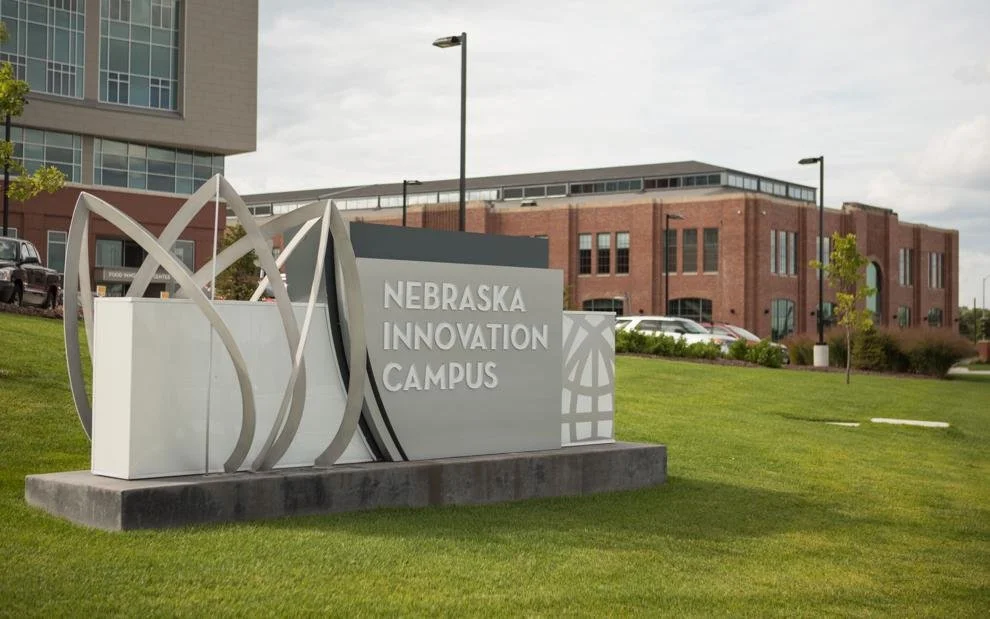
Healthy Start-up Ecosystem
A growing startup ecosystem is advancing precision livestock technologies, diagnostics, automation, and animal performance solutions.
Talent Development
A connected talent ecosystem is helping grow the region’s animal health employee base, with education and training programs aligned to the needs of veterinary pharmaceuticals, diagnostics, nutrition, and bioscience companies. From early career exposure in K-12 schools to specialized university research and technical training, the region is developing talent that can support both laboratory and production environments.

Photo Credits: The Hub | Department of Animal Science
Early Talent Pipelines

Career academies aligned with industry needs

K–12 pathways aligned with animal science, biosciences, STEM and advanced manufacturing

Dual-credit programs earn high school and college credit

Developing technical and workplace skills before entering the workforce
Research Universities Driving Innovation
University of Nebraska-Lincoln | University of Nebraska-Omaha
Key Programs
Biological Sciences
Animal Science
Veterinary Sciences
Engineering (Biological, Chemical, Mechanical, Industrial)


Advanced Life Sciences Talent
University of Nebraska Medical Center
Key Programs:
Pharmaceutical Sciences
Biochemistry
Molecular Biology

Workforce-ready Technical Talent
Metropolitan Community College | Southeast Community College | Iowa Western Community College
Key Programs
Biotechnology & Biomanufacturing
Advanced Manufacturing
Industrial Trades
Livestock Management and Production
Manufacturing Engineering Technology


Critical Occupations
Companies benefit from a growing, industry-experienced talent in relevant science and production occupations which are supported by a strong regional network and competitive labor costs, helping reduce hiring friction and support long-term growth.
14,987 jobs, increased by 12% over the last 5 years

1.03 Concentration - Regional job concentration per capita
$4.97/hr below the national median earnings, average hourly earnings of $27.10
2,404 education completions, related education completions are produced by 15 institutions in the region
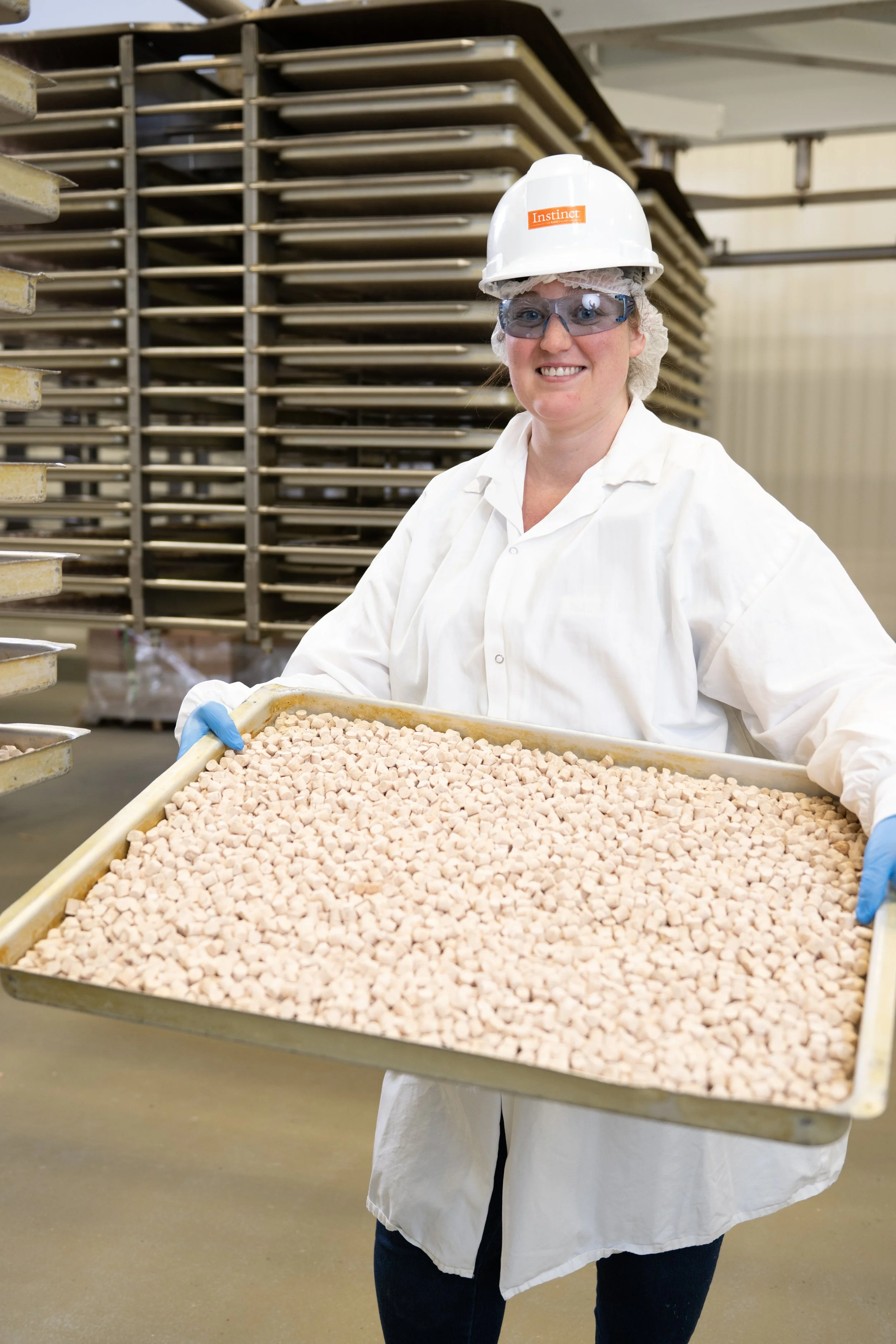
Photo Credits: Instinct
Connected Industry Network
An integrated research, validation, and commercialization ecosystem accelerating animal health innovation from discovery to deployment.
Applied Research & Commercialization Infrastructure
Klosterman Feedlot Innovation Center University of Nebraska-Lincoln
A $7.2 million commercial-scale feedlot built for real-world testing, validation, and demonstration of animal health technologies. Industry partners can evaluate products, production systems, and performance under true commercial operating conditions, helping accelerate commercialization and market adoption.
Eastern Nebraska Research, Extension and Education Center (ENREEC) University of Nebraska-Lincoln
A 3,000-acre integrated research campus featuring dairy, beef, and swine operations that support applied research, pilot programs, and industry collaboration at production scale. ENREEC provides companies with direct access to real-world agricultural environments for testing, validation, and producer engagement.
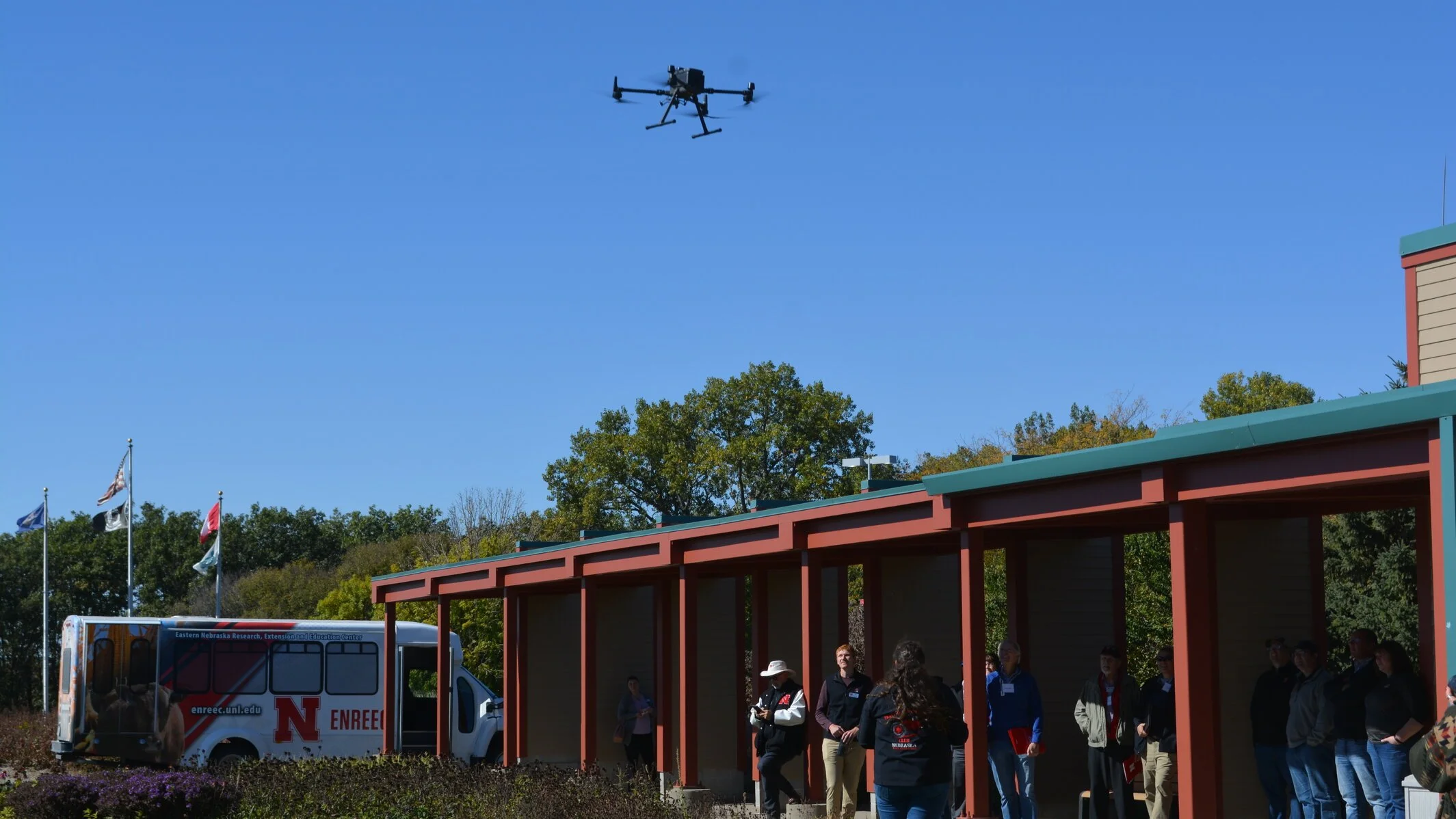
Photo Credits: Eastern Nebraska Research, Extension and Education Center
Product Development & Engineering
Biological Systems Engineering University of Nebraska-Lincoln
A multidisciplinary engineering and product development lab where faculty, students and industry partners collaborate to design, prototype, and refine emerging technologies. BSE-PI helps accelerate commercialization by bridging the gap between early-stage innovation and market-ready product development.
The Combine | Invest Nebraska
A startup support platform helping animal health entrepreneurs move technologies from concept to market through mentorship, producer access, commercialization programming, and connections across the animal health ecosystem.
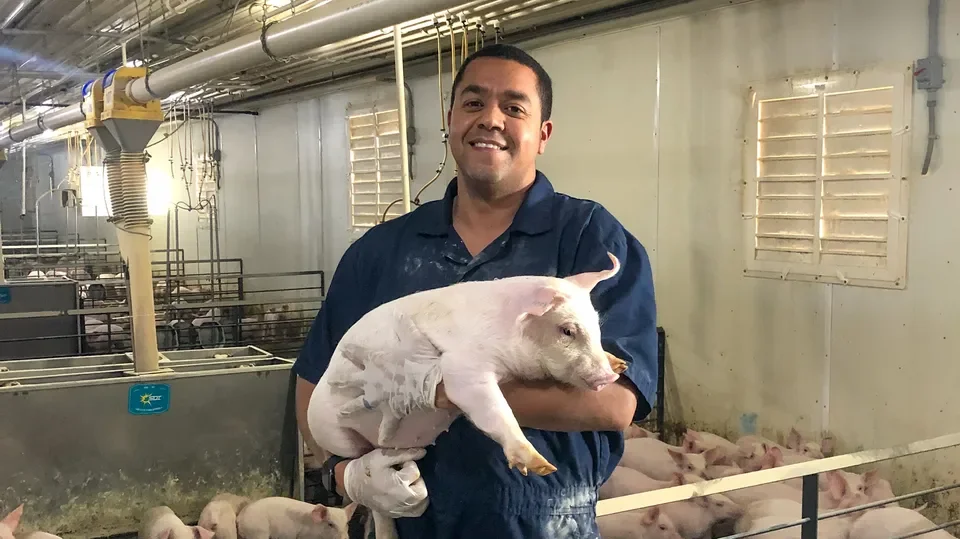
Photo Credits: FuturHerd Solutions
Biosecurity, Diagnostics & Validation
Animal Research Facilities | University of Nebraska-Lincoln
More than 43,000 SF of BSL-2 laboratory space supporting controlled, bio secure animal research across multiple species. These facilities enable pre-commercial testing, product validation, and regulatory readiness in a secure research environment.
Nebraska Veterinary Diagnostic Center University of Nebraska-Lincoln
A leading diagnostic and disease surveillance center providing advanced laboratory testing, veterinary diagnostics, and data driven insights to support producers, veterinarians, researchers, and animal health companies.
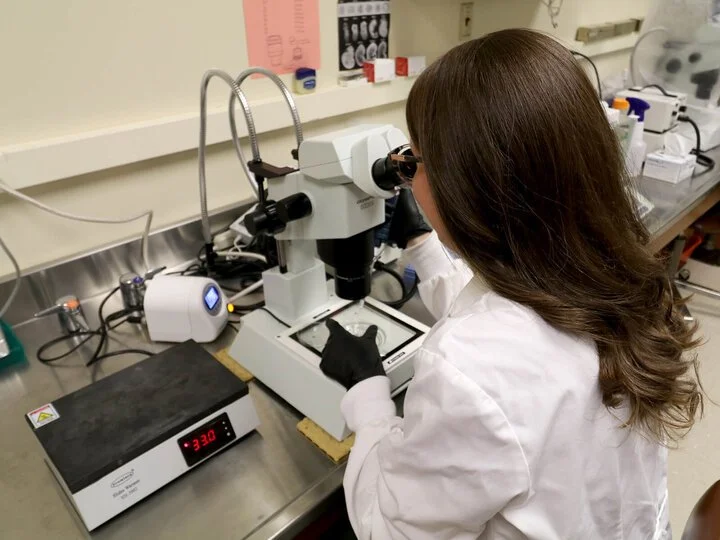
Photo Credits: Department of Animal Science