
Why is the AgWorks Corridor a competitive location for industrial biotechnology companies?
What is industrial biotechnology, and why does it matter?
How do agricultural feedstocks support industrial biotechnology?
Why is the AgWorks Corridor an ideal place for industrial biotechnology companies?
How does the AgWorks Corridor develop talent for industrial biotechnology?
How does research accelerate industrial biotechnology innovation?
How do universities and technical colleges support industrial biotechnology?
Industrial Bio
Including the use of biological processes to convert agricultural inputs into fuels, chemicals, and materials.
How does research accelerate industrial biotechnology innovation?
Why is collaboration important in the industrial bioeconomy?
How does the AgWorks Corridor help industrial biotechnology companies scale?
Why is collaboration important in the industrial bioeconomy?
Ecosystem Overview
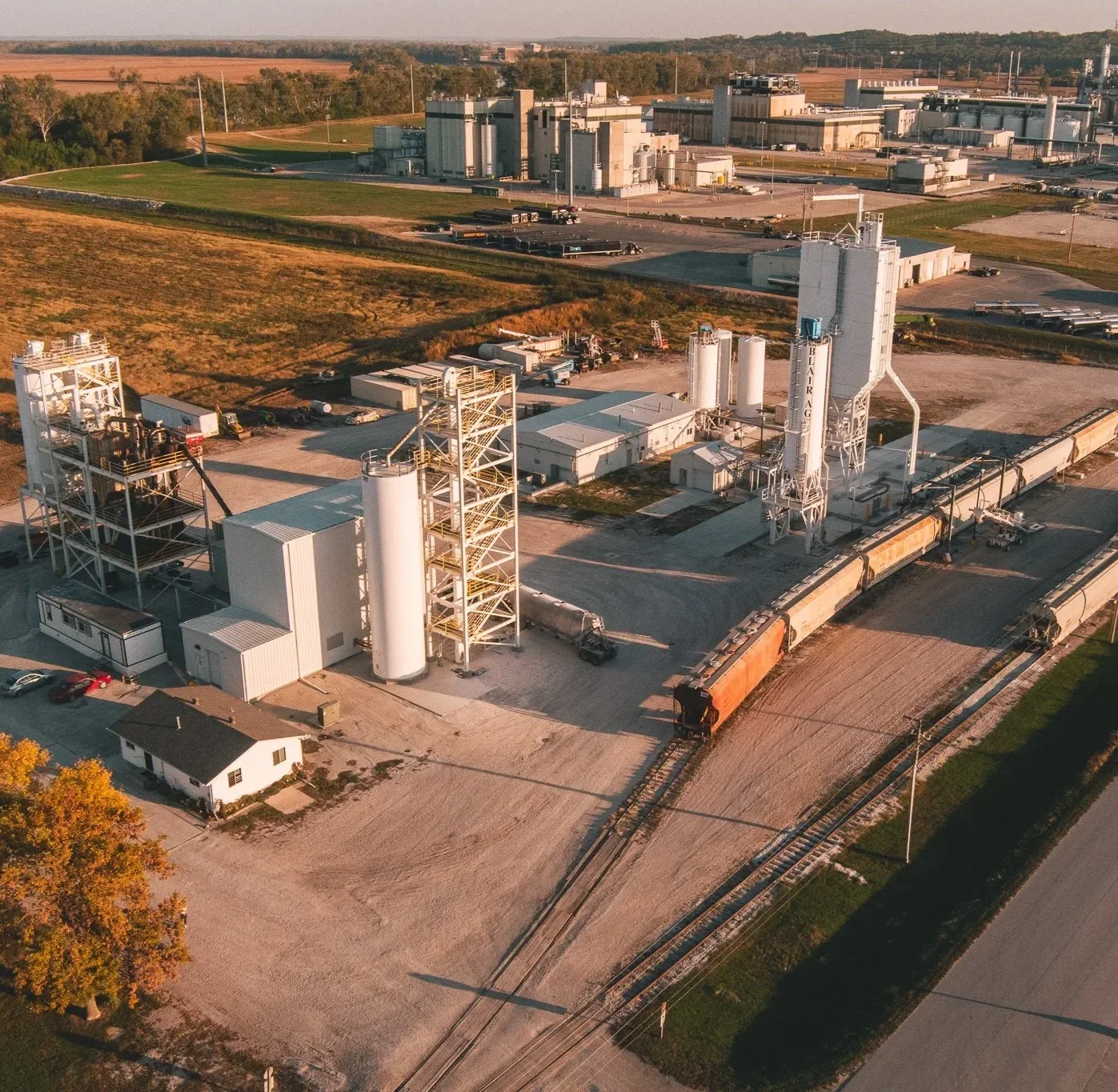
Industrial Bio is where agriculture, bioscience, and advanced manufacturing converge—using biological processes to convert agricultural inputs into renewable fuels, specialty chemicals, bio-based materials, and engineered products. Supported by abundant feedstocks, specialized talent in fermentation and bioprocessing, established logistics infrastructure, and a supply chain where 41% of purchasing relationships are already established in-region, the AgWorks Corridor provides companies with a rare concentration of resources needed to scale innovation. Combined with research assets, commercialization resources, and industrial manufacturing capabilities, the region creates an environment where companies can move technologies from concept to commercial production faster and with less risk.
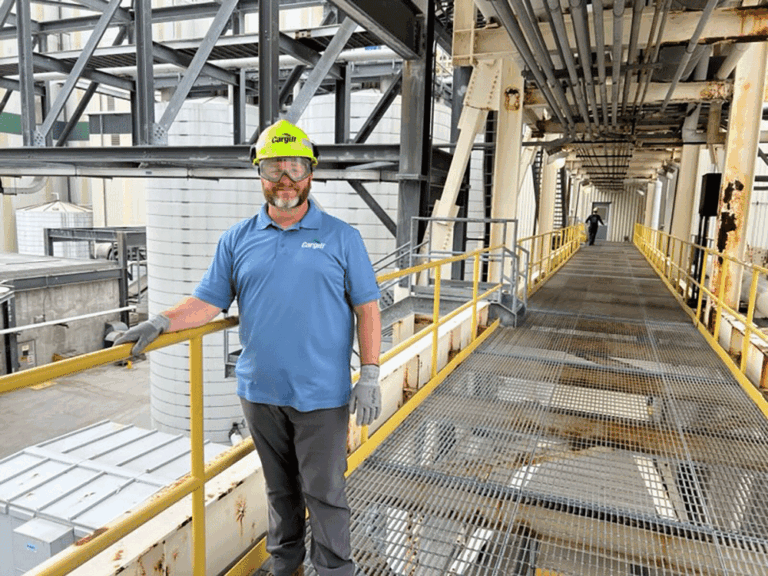
Photo Credits: Cargill
“In 2022, when we founded Bluestem in Omaha, few recognized the strategic advantage of our headquarters' location. As a technology company serving the agriculture industry, our location connects us intimately with our stakeholders and the rural communities we partner with and serve. Our entire business model is built on this partnership, and Omaha's position in the heart of American agriculture made locating our headquarters here an easy decision.”
Billy Hagstrom
CEO & Co-Founder
Bluestem

Photo Credits: The Org
Workforce
Industrial biotechnology sits at the intersection of agricultural feedstocks, bioscience research, and commercial-scale production, giving companies access to a specialized workforce experienced in fermentation, bioprocessing, and chemical manufacturing processes. The region’s concentration of technical talent and production expertise supports innovation, scale-up and commercialization across the industrial bioeconomy.
6,000+ specialized workers across a full spectrum of bioprocessing, fermentation, and chemical, including fertilizer, production and distribution sectors.
48,000+ workers in occupations relevant to industrial biotechnology.
64% more concentration than the U.S. average, demonstrating an established workforce ecosystem built around bioscience, industrial production, and feedstock driven industries.
180+ employers creating a broad industrial ecosystem with workforce mobility, supplier connections, and technical talent availability.
Jobs increased by 12% since 2019, reflecting continued expansion across bioscience, chemical manufacturing, and bio-based production industries.
$39.6k below national average, earnings per job
Key Employers





Talent Development
A connected talent and innovation ecosystem is helping grow the region’s industrial biotechnology workforce, with education, training, and research programs aligned to the needs of biomanufacturing, fermentation, bio-based chemicals, and bioscience companies. From K–12 career pathways to specialized university research and technical training, the region is developing talent that supports laboratory, pilot-scale, and commercial production environments.
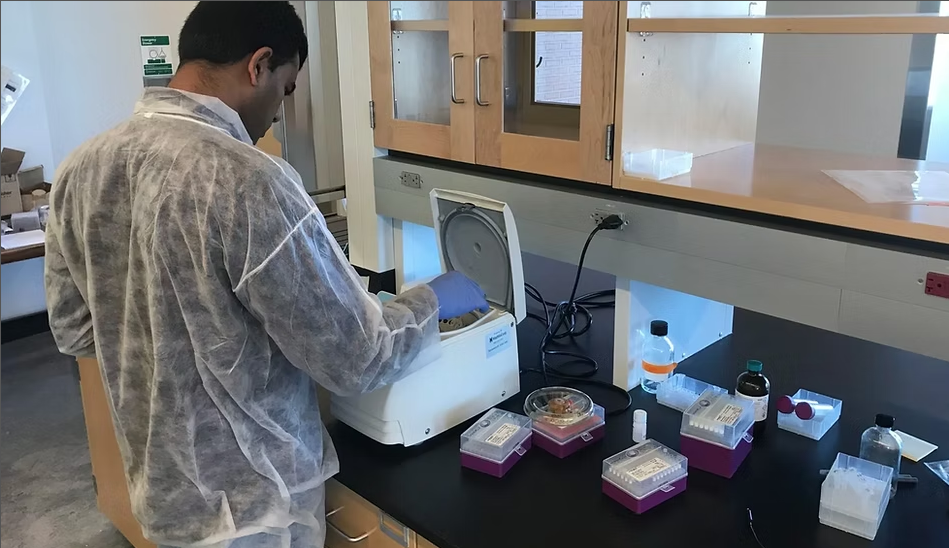
Photo Credits: Lab Amenities & Equipment | Biotech Connector
Early Talent Pipelines

Early exposure to bioscience, engineering and manufacturing careers.

K-12 systems aligned with industrial biotechnology workforce needs.

Dual-credit programs earn high school and college credit.

Developing technical and workplace skills for lab and production environments.
Research Universities Driving Innovation
University of Nebraska - Lincoln | University of Nebraska - Omaha | University of Nebraska Medical Center
Key Programs
Biochemistry
Environmental Science
Food Science & Technology
Microbiology
Integrated Science
Molecular and Biomedical Biology
Bioinformatics
Biological Systems Engineering



Workforce-ready Technical Talent
Metropolitan Community College | Southeast Community College | Iowa Western Community College
Key Programs
Biotechnology
Electrical/Electromechanical
Manufacturing Engineering
Precision Machining


Connected Industry Network
An integrated research, testing, scale-up and commercialization ecosystem helping industrial bio companies move innovations from concept to commercial production faster and with less risk.
Applied Research & Commercialization Infrastructure
Biotech Connector | Nebraska Innovation Campus
The Biotech Connector is a public-private partnership designed to support biotech innovation, commercialization, and company growth. Located within the Food Innovation Center at the Nebraska Innovation Campus, it provides more than 7,700 SF of flexible wet-lab space, shared equipment, and research infrastructure for startups and established companies. Flexible space options range from shared bench space to dedicated laboratories, helping companies accelerate research, product development, and scale-up activities.
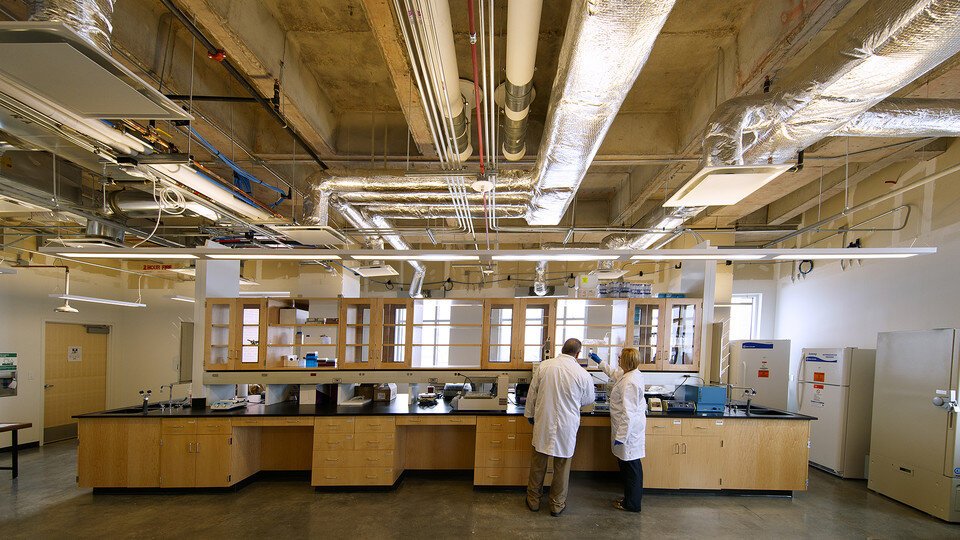
Photo Credits: Nebraska Innovation Campus
Industry Leadership & Ecosystem Development
Renewable Fuels Nebraska | Lincoln, Nebraska
Renewable Fuels Nebraska connects producers, industry leaders, and policy makers to strengthen and expand Nebraska’s renewable fuels ecosystem. Through advocacy, education, and industry collaboration, the organization helps support market growth, policy advancement, and long-term competitiveness across the bioeconomy.
Bio Nebraska | Omaha, Nebraska
Bio Nebraska serves as a connector across Nebraska's bioscience and bioeconomy ecosystem, linking companies with research institutions, industry partners, workforce resources, and commercialization opportunities. By supporting collaboration, advocacy, and industry growth, Bio Nebraska helps strengthen the ecosystem needed to scale industrial biotechnology and bio-based innovation.
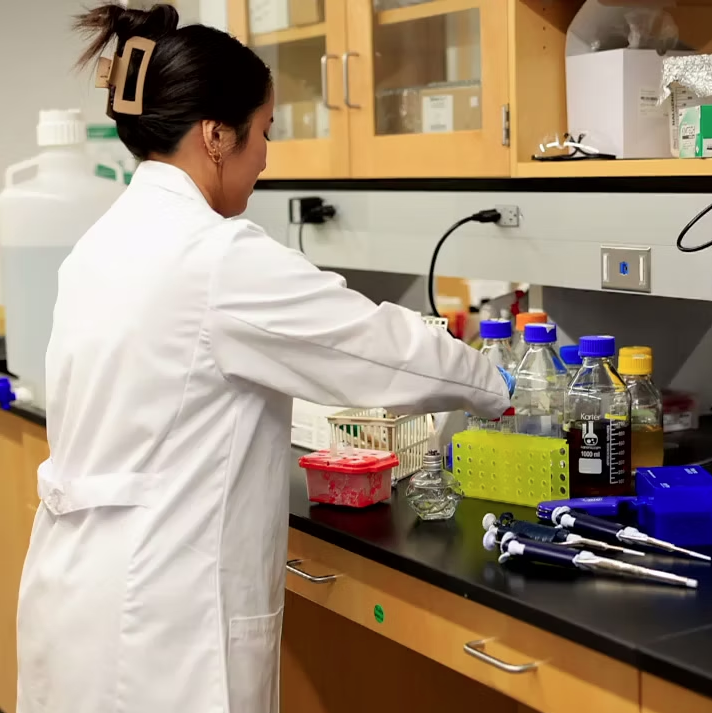
Photo Credits: MTE Biotech
Startup Support & Commercialization
The Combine | Invest Nebraska
A startup support platform helping animal health entrepreneurs move technologies from concept to market through mentorship, producer access, commercialization programming, and connections across the animal health ecosystem.
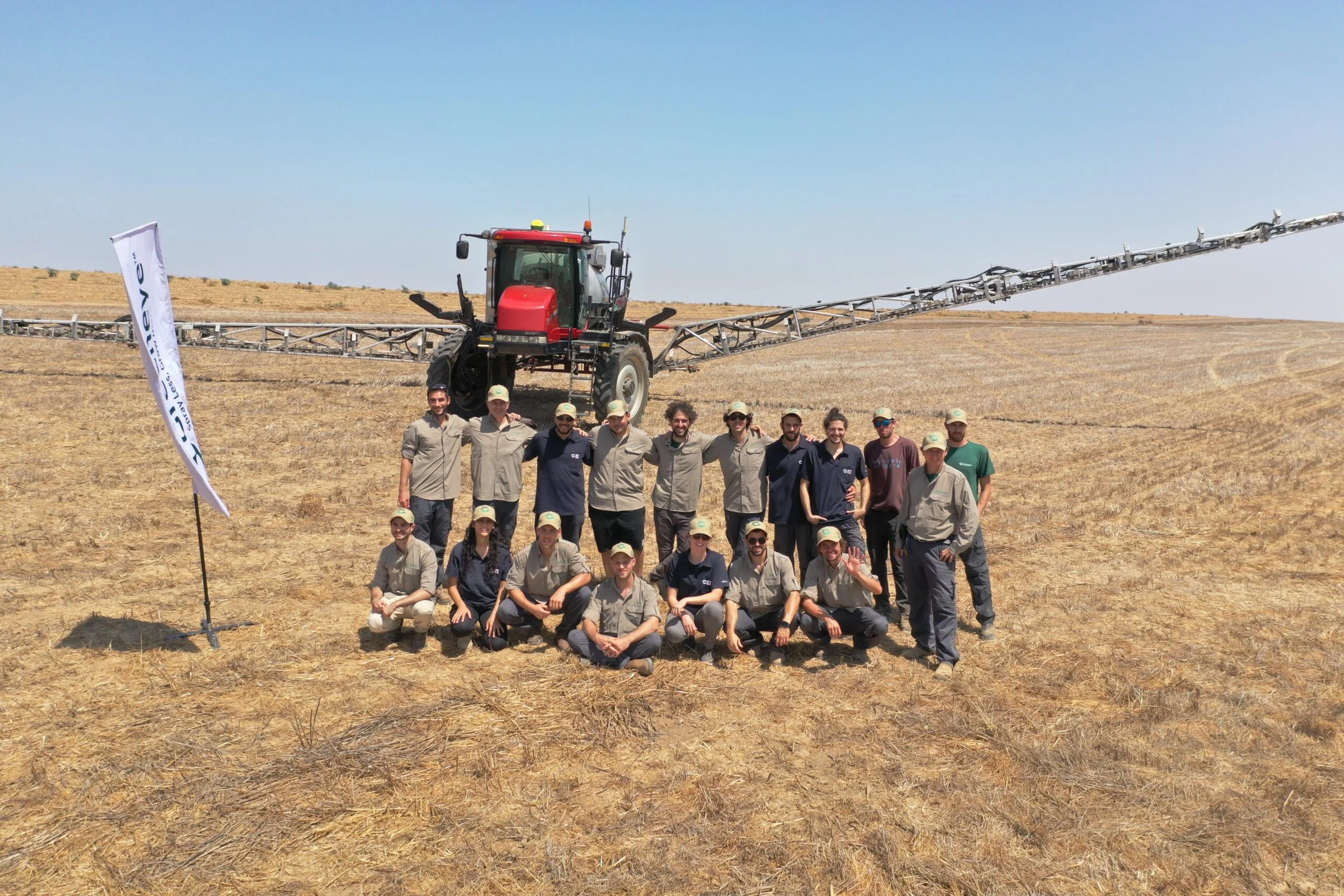
Photo Credits: Greeneye Technology