
Why is the AgWorks Corridor's supply chain a competitive advantage?
Supply Chain Advantage
As a national leader in livestock and crop production, the region supplies the critical inputs that support food production, biofuels, and advanced manufacturing. The depth of the agricultural economy creates a reliable, high-volume supply chain designed for industrial performance.
Why does livestock concentration matter for manufacturers and innovators?
How does Nebraska's agricultural production strengthen the supply chain?
What infrastructure supports efficient supply chains?
Why do companies choose the AgWorks Corridor for supply chain resilience?
How does the AgWorks Corridor's central location improve logistics?
How do integrated suppliers help companies scale?
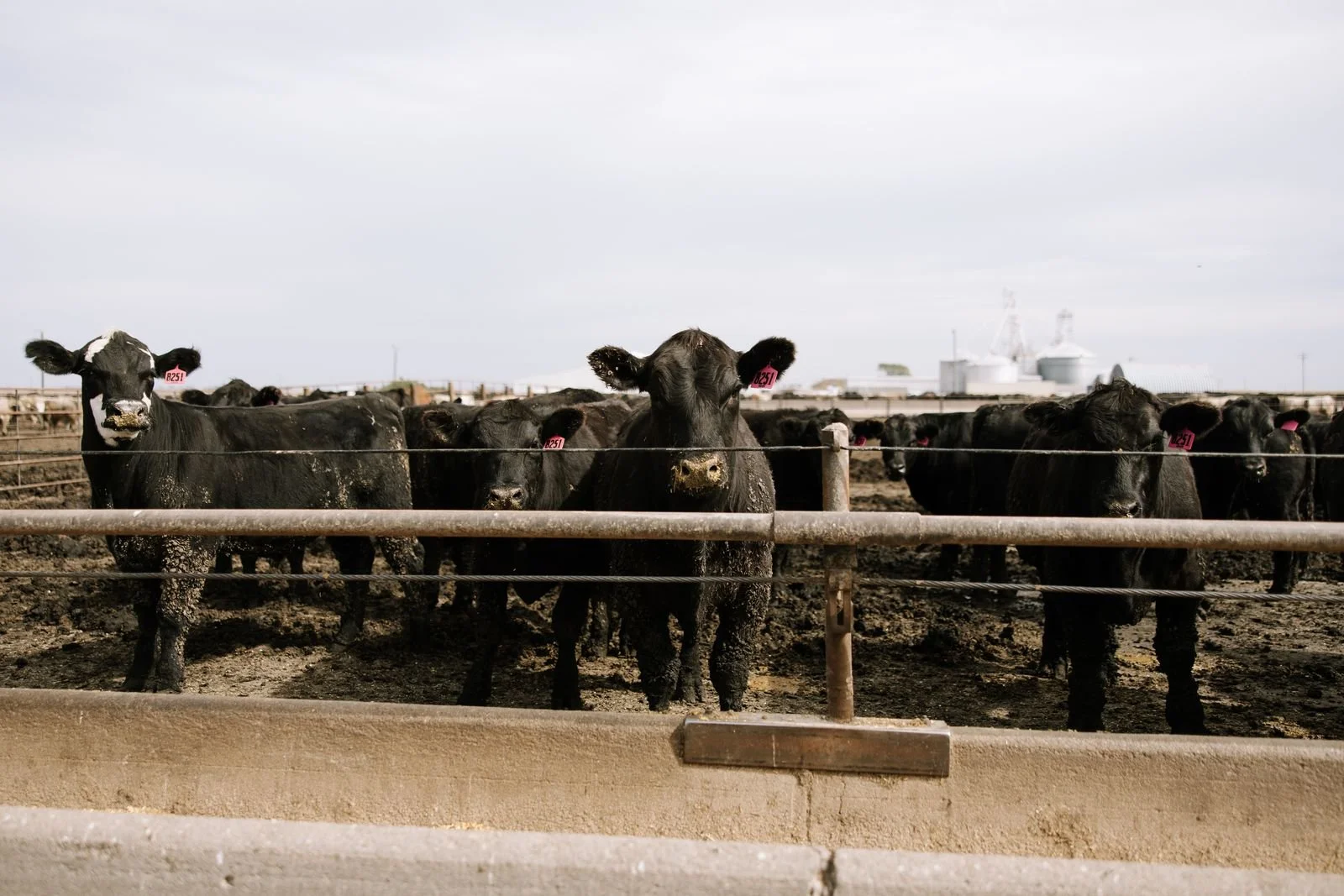
Livestock at Scale

6 million head
#2 cattle & calves

#2 nationally in cattle on feed
2 million head

3.6 million head
#6 hogs & pigs

to surrounding top livestock producing states - Representing 32% of total U.S. livestock production
Central location
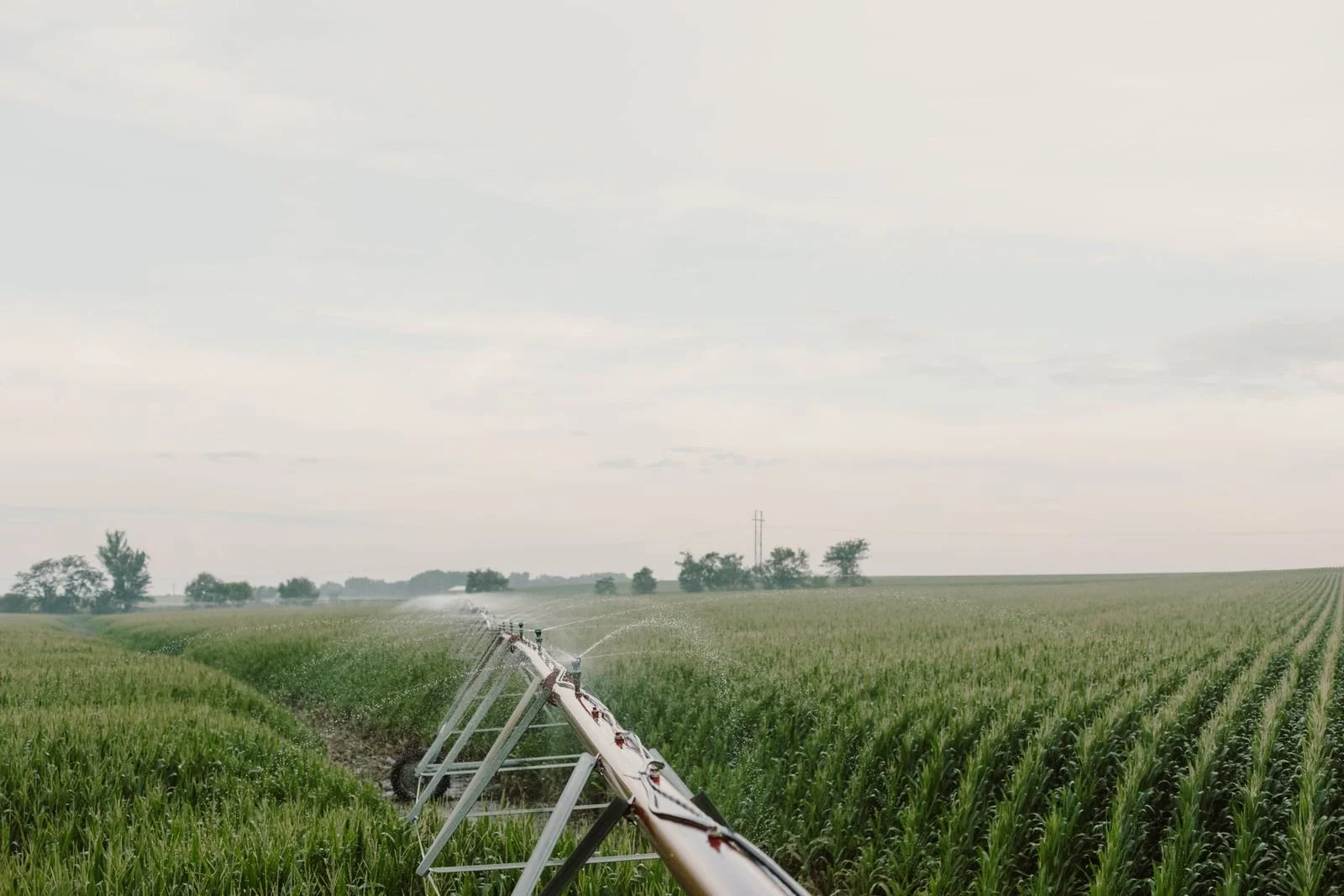
Feedstock Strength

#3 corn production
#1 corn used for cattle feed
$8.6 billion
in annual corn production
1.97 billion
bushels projected in 2025
9.5 million
acres of corn production
191 bushels
per acre average yield
Neil Goldsmith
President of Evolva

“Nebraska is well-suited to helping us build global production for our products, not least because of the state’s green energy and renewable feedstock, well-known fermentation talent, and ample room to expand.”
Integrated Regional Supply Chain
$9.6 billion
in annual agricultural industry purchases
$3 billion
sourced within the region
Over 30%
local sourcing concentration
253 million
bushels produced in the AgWorks Corridor
#2 in U.S
Ethanol production capacity
165
fabricated metal product manufacturing facilities